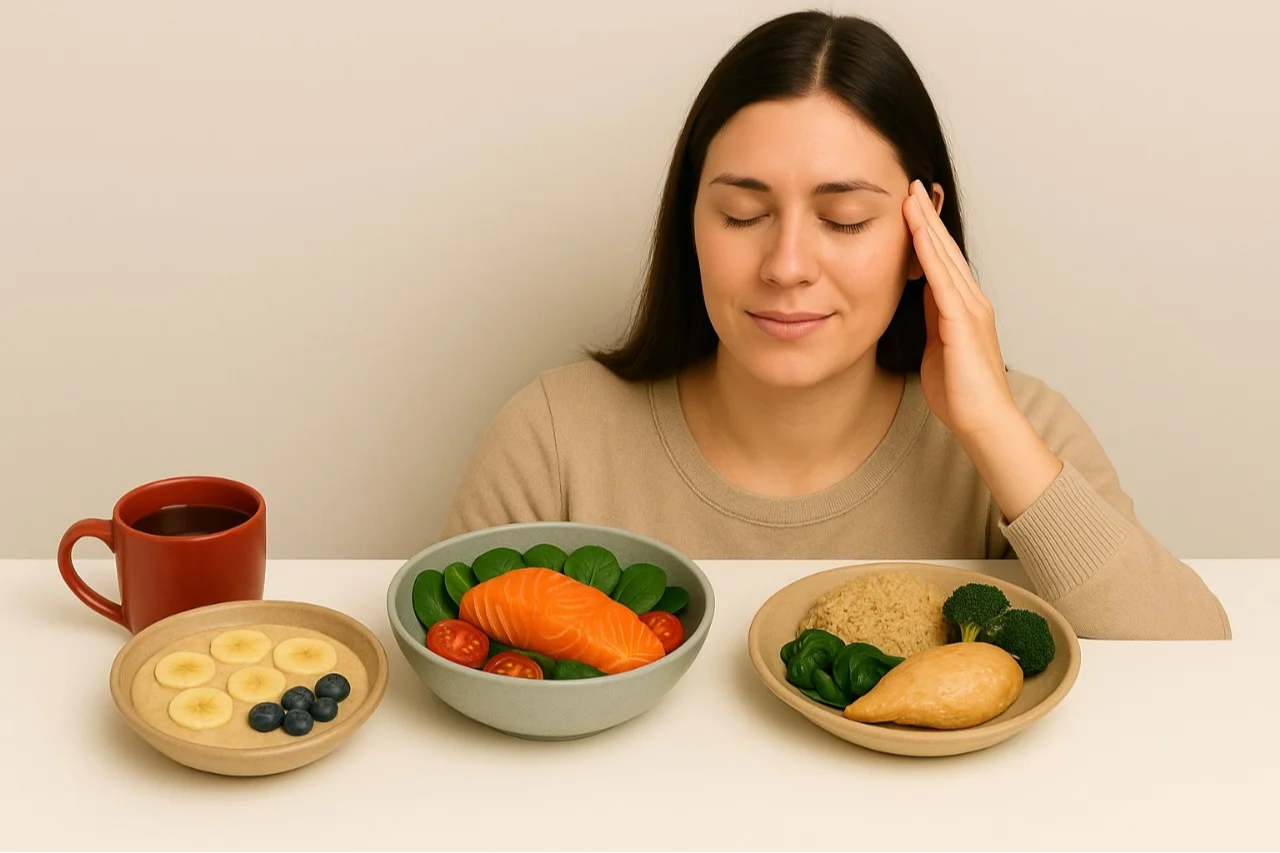
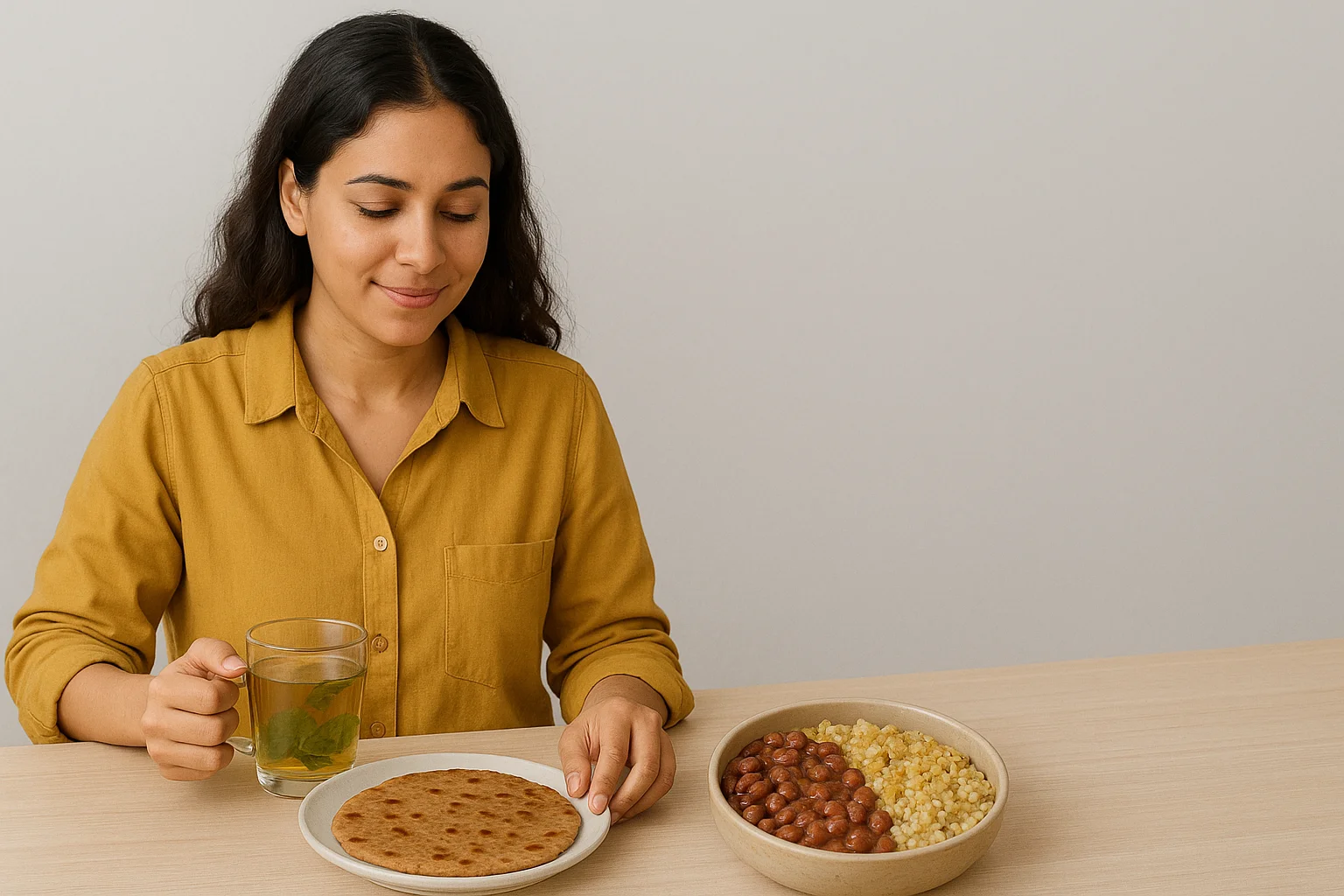
Physiological and hormonal changes during menstruation can cause physical and emotional changes. A balanced diet plays an important role in managing these changes. It is possible to ease cramps, lift your mood, and support your body throughout your monthly cycle with a balanced diet. A balanced diet makes periods easier and healthier.
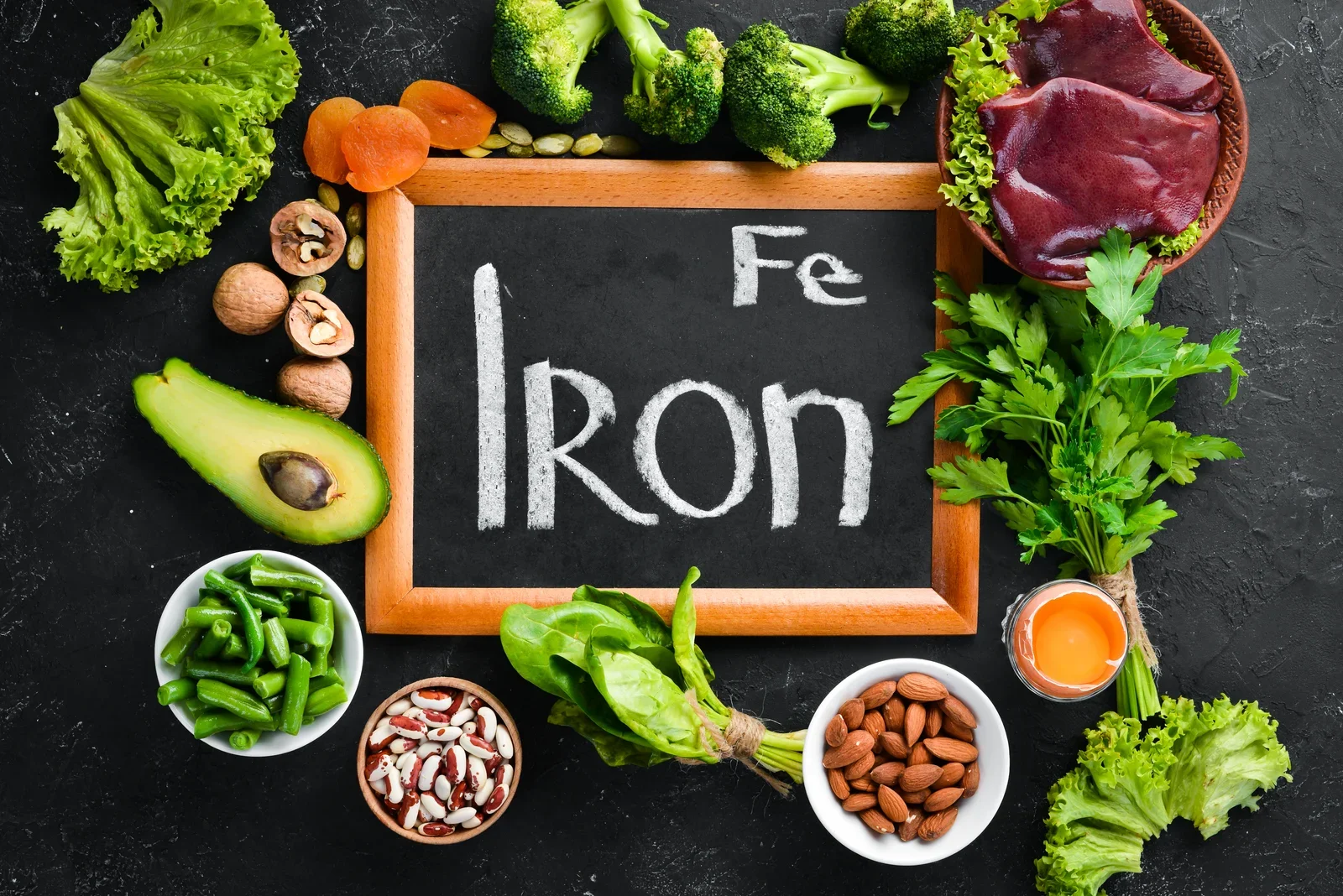
Benefits: Prevents fatigue and weakness caused by iron loss.
Examples: Spinach, lentils, jaggery, dates
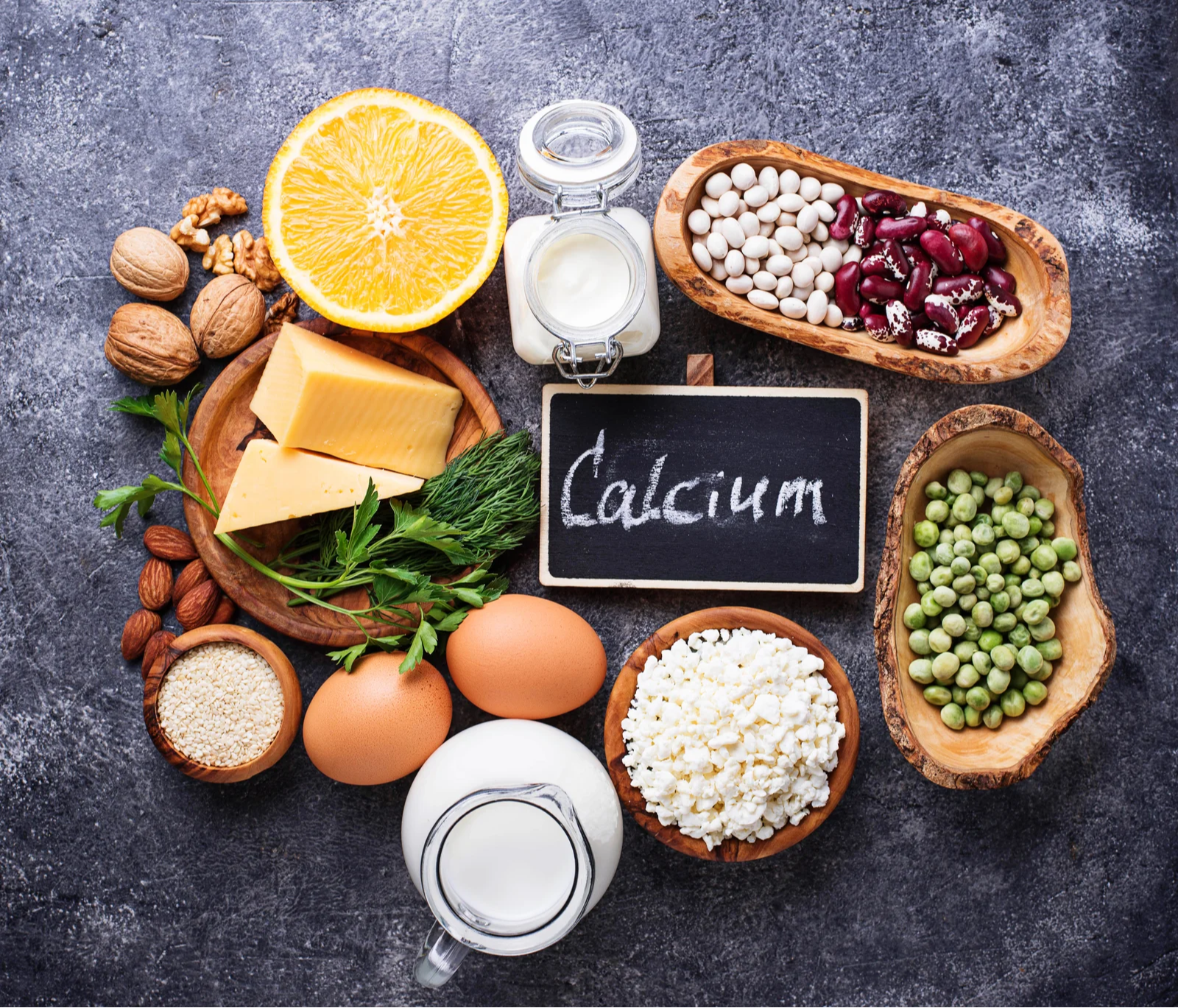
Benefits: Relaxes uterine muscles and eases cramps.
Examples: Yogurt, cheese, sesame seeds
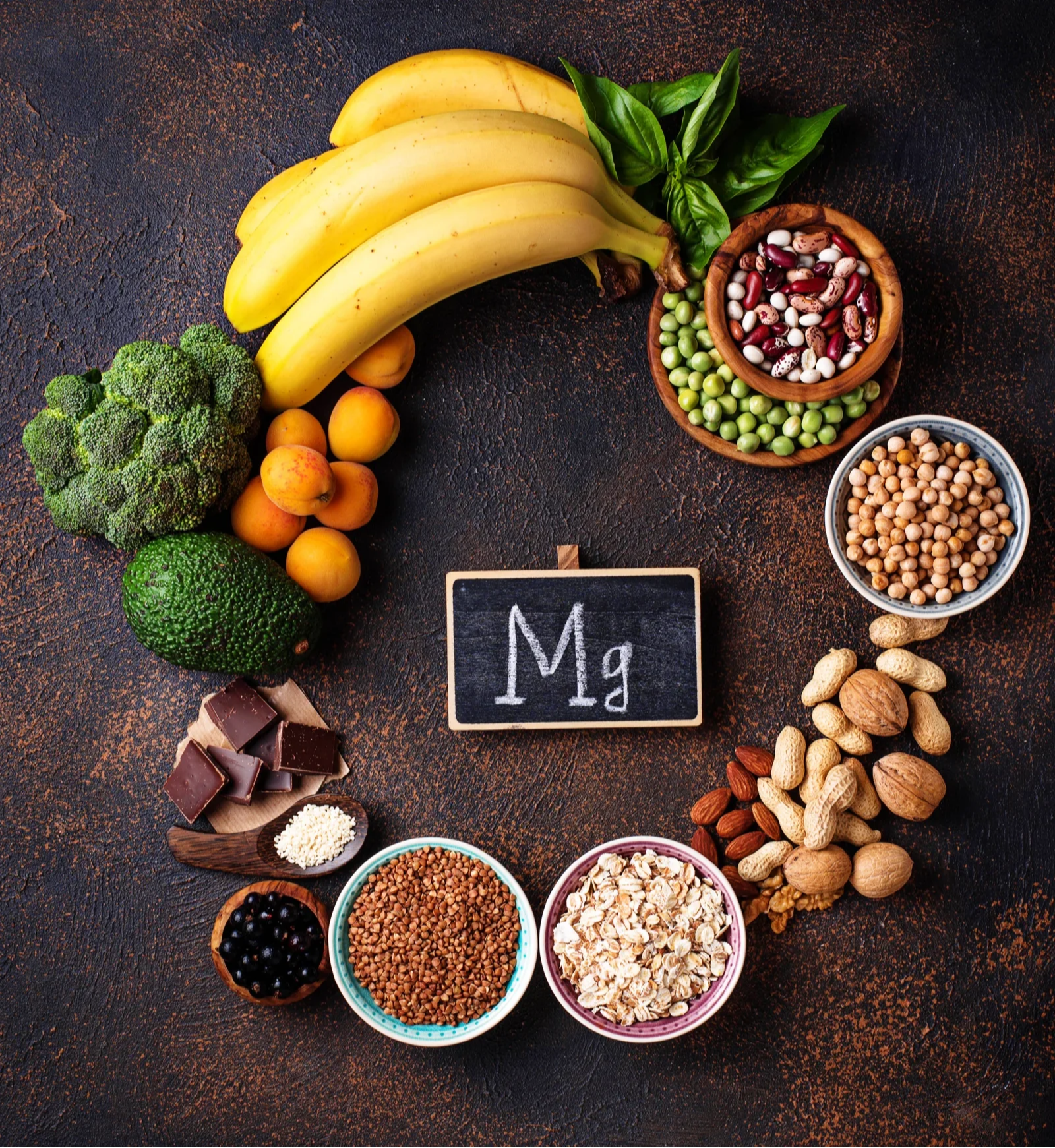
Benefits: Reduces pain and stabilizes mood.
Examples: Bananas, pumpkin seeds, brown rice
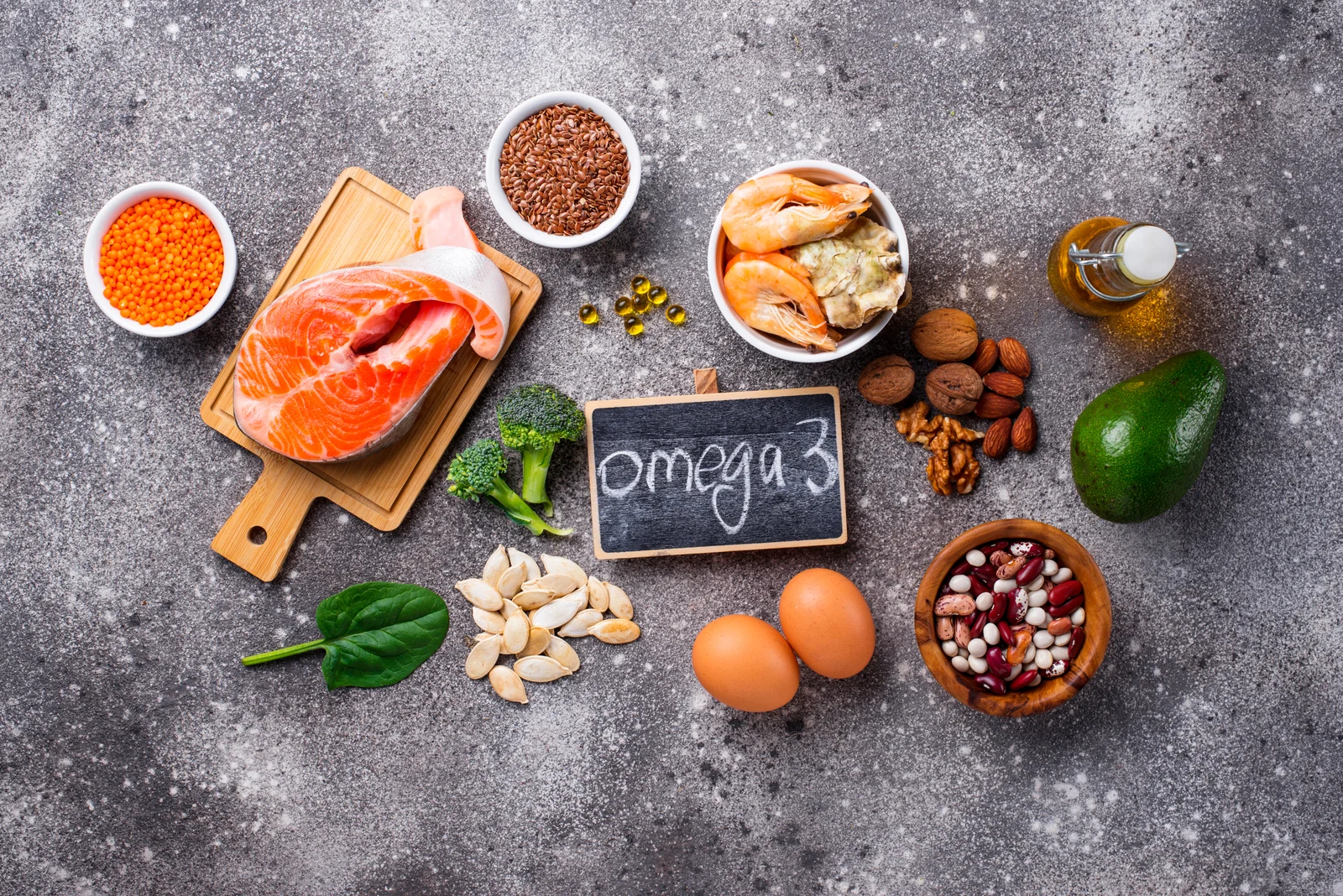
Benefits: Anti-inflammatory, reduces menstrual pain.
Examples: Walnuts, mustard oil, fish
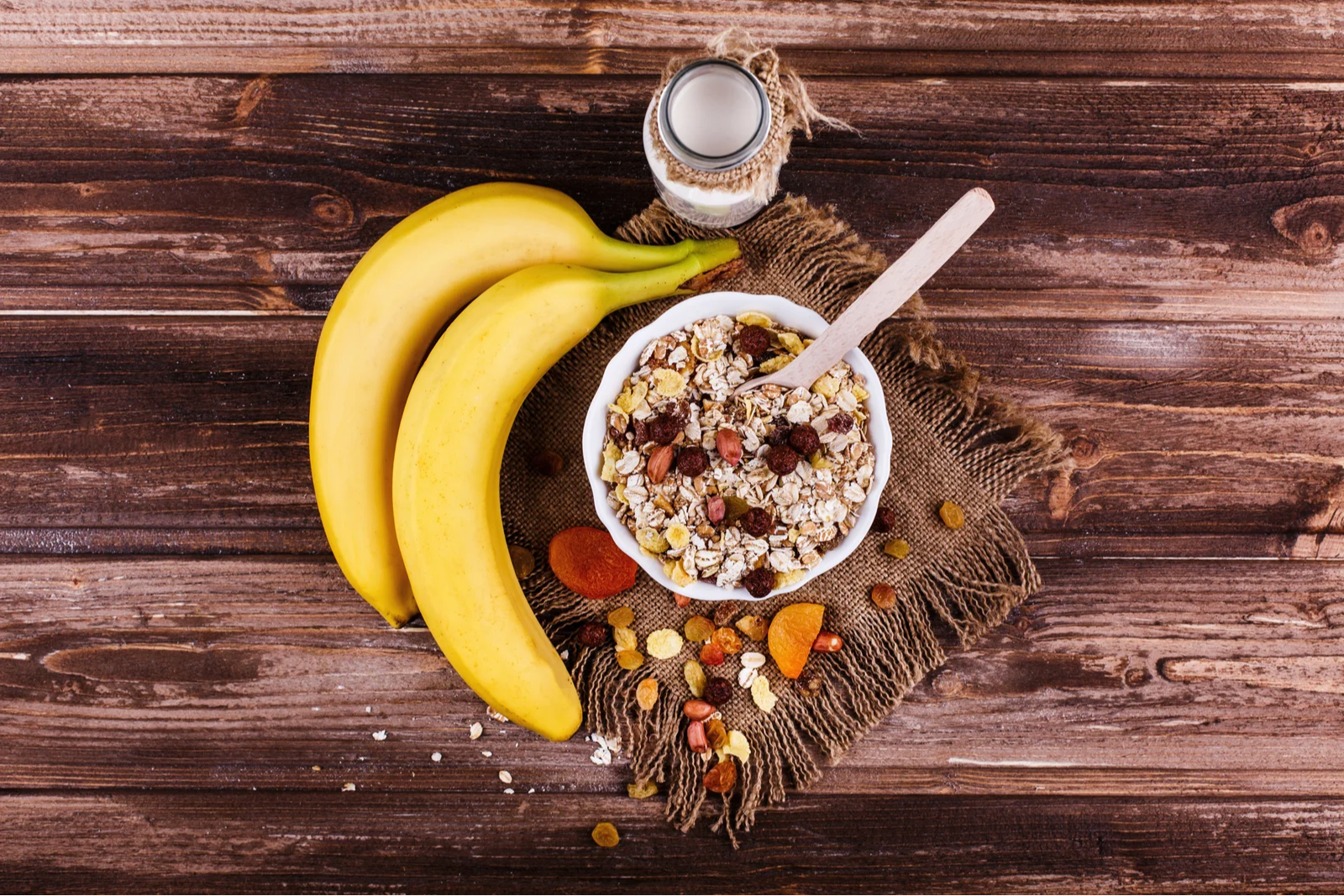
Benefits: Reduces mood swings and irritability.
Examples: Chickpeas, oats, bananas
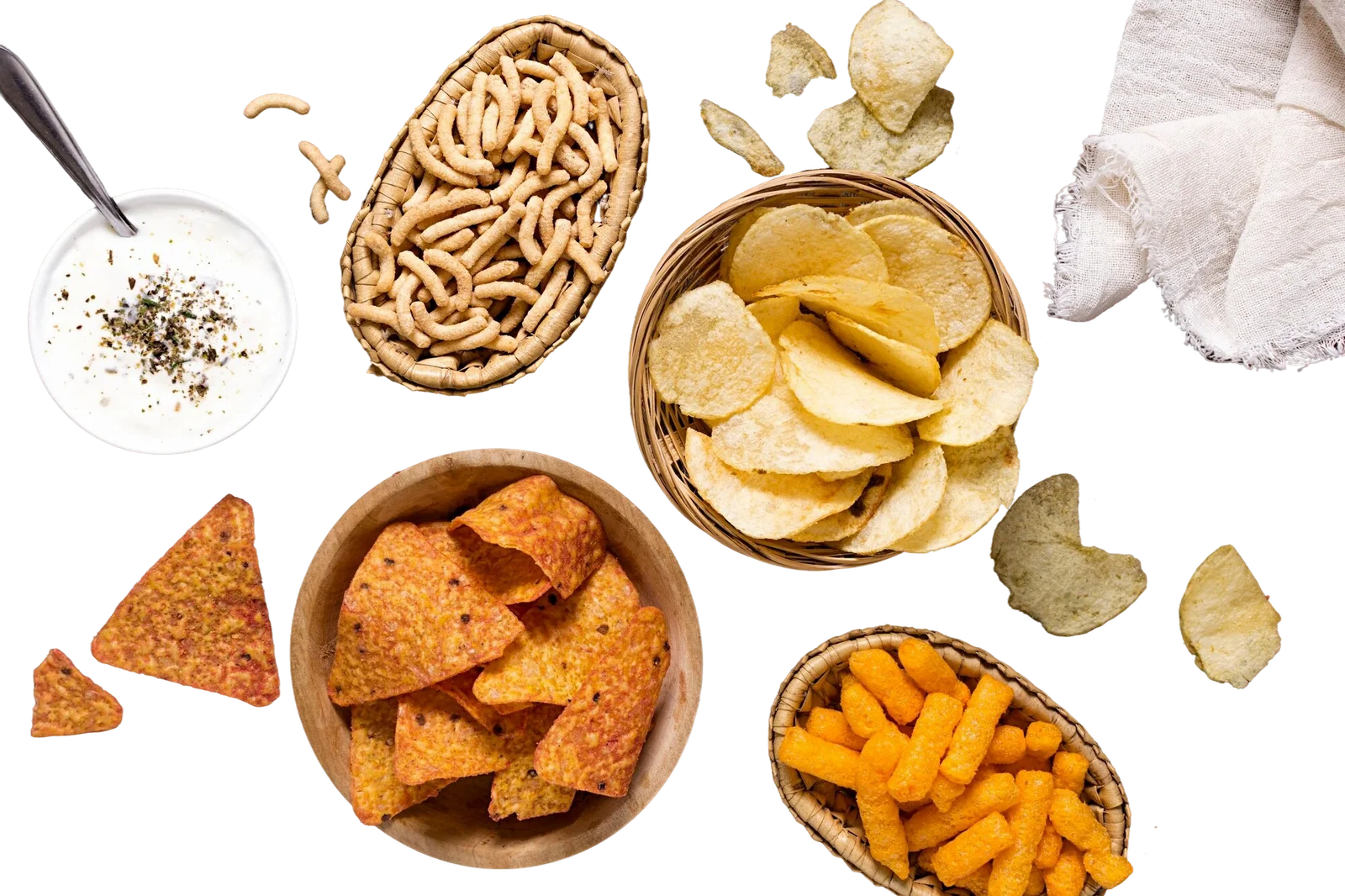
Certain food items should be restricted or avoided during menstruation for healthy periods
Why Avoid: Causes bloating and discomfort.
Examples: Chips, papad, processed snacks
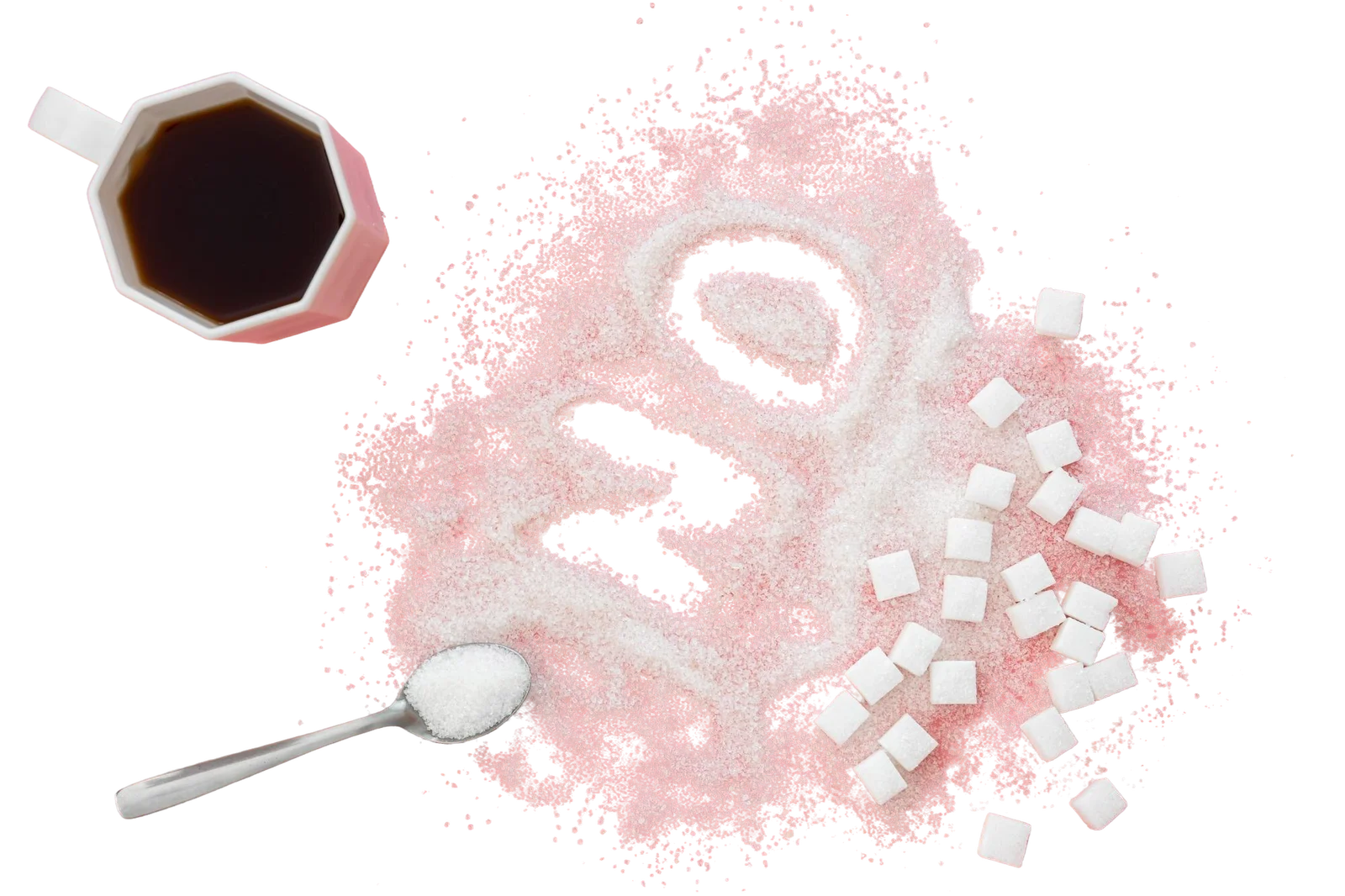
Why Avoid: Triggers mood swings and energy crashes.
Examples: Sweets, candies, sugary drinks
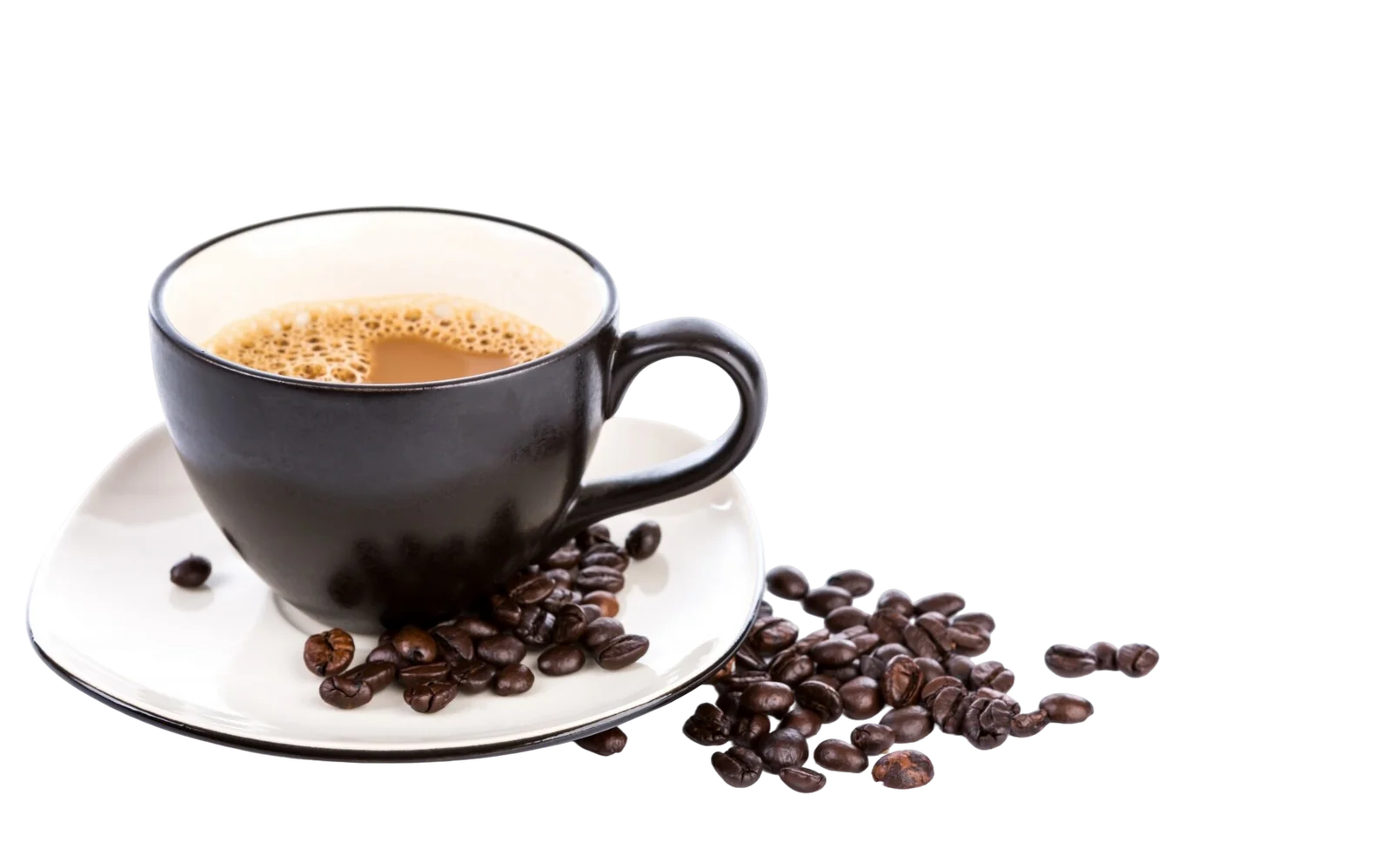
Why Avoid: Increases anxiety and headaches.
Examples: Coffee, energy drinks, cola
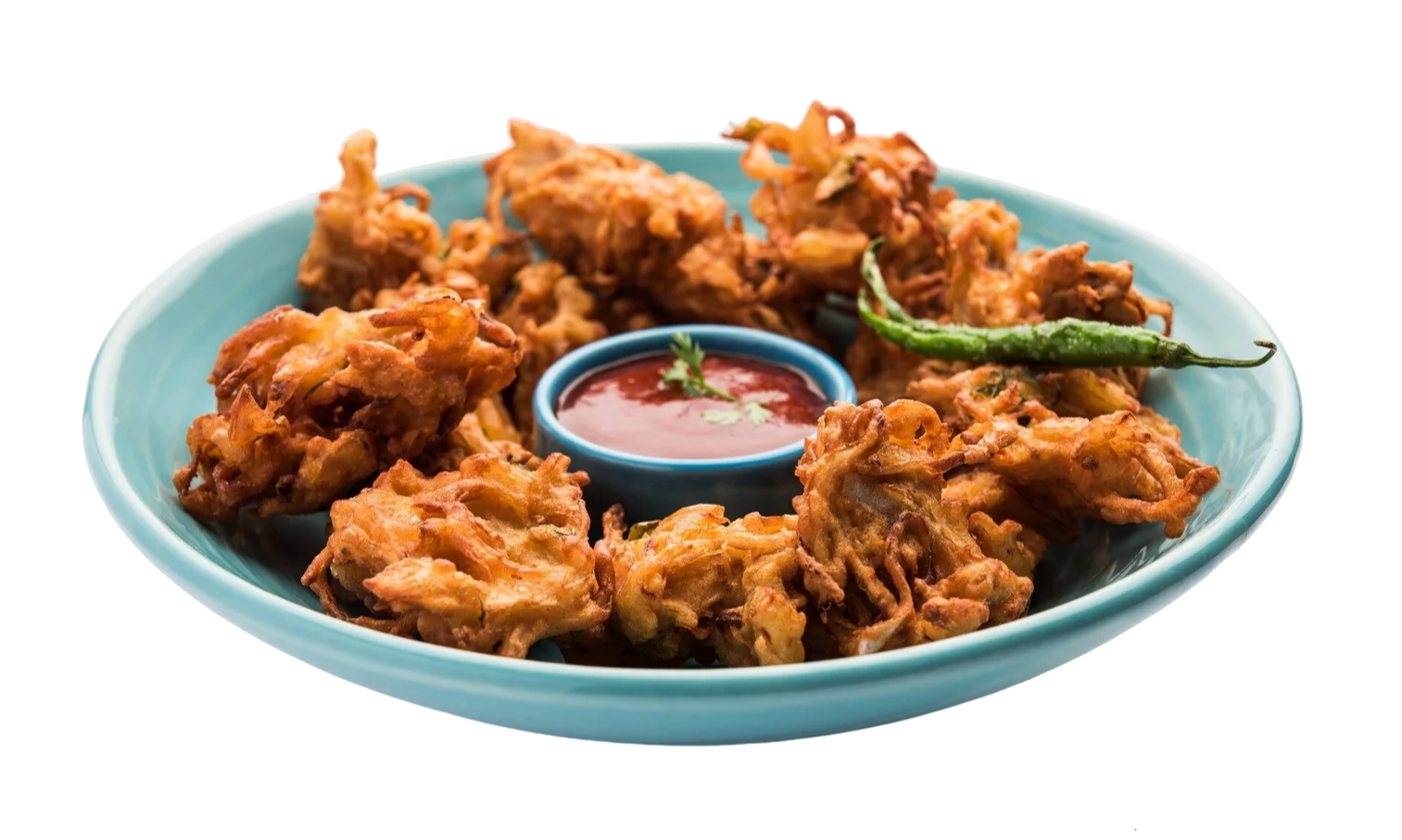
Why Avoid: Can worsen cramps and indigestion.
Examples: Pakodas, bhature, samosas
Balanced nutrition for each phase of your cycle
Oats with flaxseeds and almonds, herbal tea
Spinach dal, brown rice, chapati
Vegetable khichdi, turmeric milk
Poha with peanuts, amla juice
Chickpeas with brown rice, beetroot salad
Mixed vegetables with paneer, roti
Multigrain paratha, mint tea
Rajma with quinoa, cabbage salad
Fenugreek dal, steamed broccoli & carrots
| Meal Time |
Day 1 to 3
Focus on reducing pain and fatigue |
Day 4 to 5
Focus on restoring energy levels |
Day 6 to 7
Focus on filling nutrient deficiency |
|---|---|---|---|
| Breakfast |
|
|
|
| Mid-Morning Snack |
|
|
|
| Lunch |
|
|
|
| Evening Snack |
|
|
|
| Dinner |
|
|
|